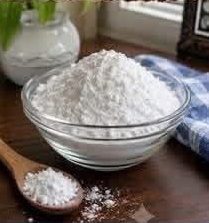
Baking soda is a common household ingredient that has become popular in DIY skincare routines. Many beauty tips suggest using baking soda to brighten the skin, reduce the appearance of dark spots, smooth fine lines, or improve the look of dark circles. However, baking soda is alkaline and can be irritating to facial skin, especially when used frequently or in concentrated mixtures.
If you are interested in natural skincare, it is important to understand what baking soda can and cannot realistically do. Rather than treating it as a miracle solution for wrinkles or pigmentation, it is better to approach it carefully and focus on gentle skincare habits that support healthy-looking skin.
Can Baking Soda Remove Dark Spots?
Dark spots can develop for many reasons, including sun exposure, acne marks, inflammation, and natural changes in pigmentation. Baking soda does not have strong clinical evidence showing that it can safely remove dark spots.
Because baking soda has a slightly abrasive texture, rubbing it on the skin may temporarily make the surface feel smoother. However, excessive rubbing can irritate the skin and potentially make pigmentation more noticeable, particularly in people who develop dark marks after irritation.
For dark spots, daily sun protection is much more important. A broad-spectrum sunscreen can help prevent existing pigmentation from becoming darker and can reduce additional sun-related skin damage.
Does Baking Soda Reduce Wrinkles?
Wrinkles are a natural part of aging and are influenced by factors such as genetics, sun exposure, and changes in collagen and skin elasticity. Baking soda cannot reverse these processes.
Although a baking soda mixture might make the skin feel temporarily cleaner or smoother, this should not be confused with reducing wrinkles. Using harsh DIY ingredients repeatedly can actually leave the skin dry and irritated.
A gentle cleanser, moisturizer, and daily sunscreen are a better foundation for an anti-aging skincare routine. Ingredients such as retinoids and vitamin C have considerably more established roles in skincare than household baking soda.
What About Dark Circles?
Dark circles can have many causes, including genetics, pigmentation, visible blood vessels, allergies, lack of sleep, and the natural structure of the area around the eyes.
The skin around the eyes is particularly delicate. Applying baking soda directly under the eyes may cause irritation, dryness, or discomfort. For this reason, baking soda should not be used close to the eyes.
Getting enough sleep, avoiding rubbing the eyes, managing allergies when appropriate, and protecting the face from the sun may help improve the overall appearance of the eye area.
A Gentle Alternative to Baking Soda
If your goal is brighter, smoother-looking skin, consider a simple skincare routine instead of relying on harsh homemade treatments.
Start with a gentle facial cleanser to remove dirt, oil, and makeup without excessively drying the skin. Follow with a moisturizer suited to your skin type. During the daytime, apply broad-spectrum sunscreen with an appropriate SPF and reapply as needed, especially when spending significant time outdoors.
For uneven skin tone, products containing ingredients such as niacinamide or vitamin C may be considered. Introduce new skincare products gradually because even commonly used ingredients can cause irritation in sensitive skin.
If You Still Want to Use Baking Soda
Baking soda is generally better suited to household uses than facial skincare. If you decide to experiment with it despite the potential for irritation, avoid applying it to broken, irritated, sunburned, or freshly shaved skin.
Never use baking soda as a vigorous facial scrub. Avoid the lips and eye area, and stop immediately if you experience burning, redness, swelling, itching, or persistent discomfort.
It is also a good idea to patch-test unfamiliar skincare mixtures on a small area of skin before applying anything more broadly. However, a patch test cannot guarantee that a product will not irritate your face.
Better Habits for Healthy-Looking Skin
Healthy-looking skin does not require complicated recipes. Consistency is often more useful than aggressive treatments.
A basic routine can include:
- Gentle cleansing
- Regular moisturizing
- Daily broad-spectrum sunscreen
- Avoiding excessive exfoliation
- Not picking or squeezing acne
- Maintaining adequate sleep
- Eating a balanced diet
- Staying hydrated
- Introducing active skincare ingredients gradually
These habits can help maintain the skin barrier and reduce unnecessary irritation.
Final Thoughts
Baking soda may be inexpensive and easy to find, but that does not make it an ideal facial skincare ingredient. Claims that baking soda can eliminate wrinkles, remove dark spots, or completely get rid of dark circles are not well supported by scientific evidence.
If you want to improve the appearance of pigmentation, fine lines, or under-eye darkness, a gentle skincare routine and evidence-based ingredients are generally more appropriate. Most importantly, protect your skin from excessive sun exposure and avoid aggressive DIY treatments that can cause irritation.
Before trying any new skincare ingredient, consider your skin type and sensitivity. If dark spots, persistent irritation, unusual pigmentation, or other skin changes concern you, a dermatologist can help identify the underlying cause and recommend an appropriate treatment.
SEO Keywords: baking soda for skin, baking soda for dark spots, baking soda for wrinkles, baking soda for dark circles, natural skincare, DIY skincare, skin brightening, skincare tips, healthy skin, homemade skincare remedies